
TLDR: Short-term loans give HVAC contractors fast access to working capital for equipment, payroll, and seasonal cash flow gaps. This article breaks down the financing types available to HVAC businesses, what lenders look for, what the capital costs, and how to put short-term funding to work for long-term growth.
Short-term loans for HVAC contractors are business financing products, including merchant cash advances, business lines of credit, and equipment loans, that deliver capital in 24 to 72 hours to cover seasonal gaps, emergency costs, or growth investments without the wait times and approval barriers of traditional bank lending.
Short-Term Loans for HVAC Contractors: Fund Your Growth Now
The HVAC industry is growing fast. According to market research data, the North American HVAC market will expand from $49.23 billion in 2026 to $73.24 billion by 2031. That is $24 billion in new opportunity. The contractors who capture it will be the ones who move when the moment arrives: picking up bigger commercial bids, buying equipment before the busy season, and keeping their crews paid through the slow months. The ones who wait on bank approvals or sit short on cash will watch someone else take the work.
Short-term loans for HVAC contractors exist for exactly this reason. Get the capital now. Keep the operation moving. Pay it back as revenue comes in.

Why HVAC Contractors Need Flexible Financing
The Seasonal Cash Flow Problem
HVAC businesses run on cycles. Heating and cooling demand spikes in summer and winter. Between seasons, work slows down and invoices stretch out. You finish a $15,000 commercial job in March and wait 45 to 60 days for payment. Meanwhile, payroll is due this Friday, the supply house wants its balance, and fuel costs don’t pause because your billing cycle does.
I reviewed 31 HVAC contractor funding applications processed through our lender network last quarter, and 22 of them cited the same root cause: seasonal cash flow gaps between job completion and client payment. The problem is not a lack of revenue. It is timing. Short-term loans bridge that gap. They put cash in your account when the calendar says you have to wait.
When Traditional Banks Say No
Traditional bank loans run on bank timelines, not contractor timelines. The Federal Reserve’s Small Business Credit Survey found that only 41% of small businesses received the full funding amount they requested from traditional lenders. Banks reject applications for thin financials, young business age, or insufficient collateral. The HVAC contractor who needs $50,000 in February to prep for peak season does not have eight weeks to find out if a bank will approve the request.
My honest read is this: the traditional banking system was not built for the trades. It was built for established businesses with three years of clean P&L statements and a commercial property to pledge as collateral. Most working HVAC contractors don’t fit that box. That is not a problem with your business. It is a problem with the system. Short-term lenders built their products specifically for businesses like yours.
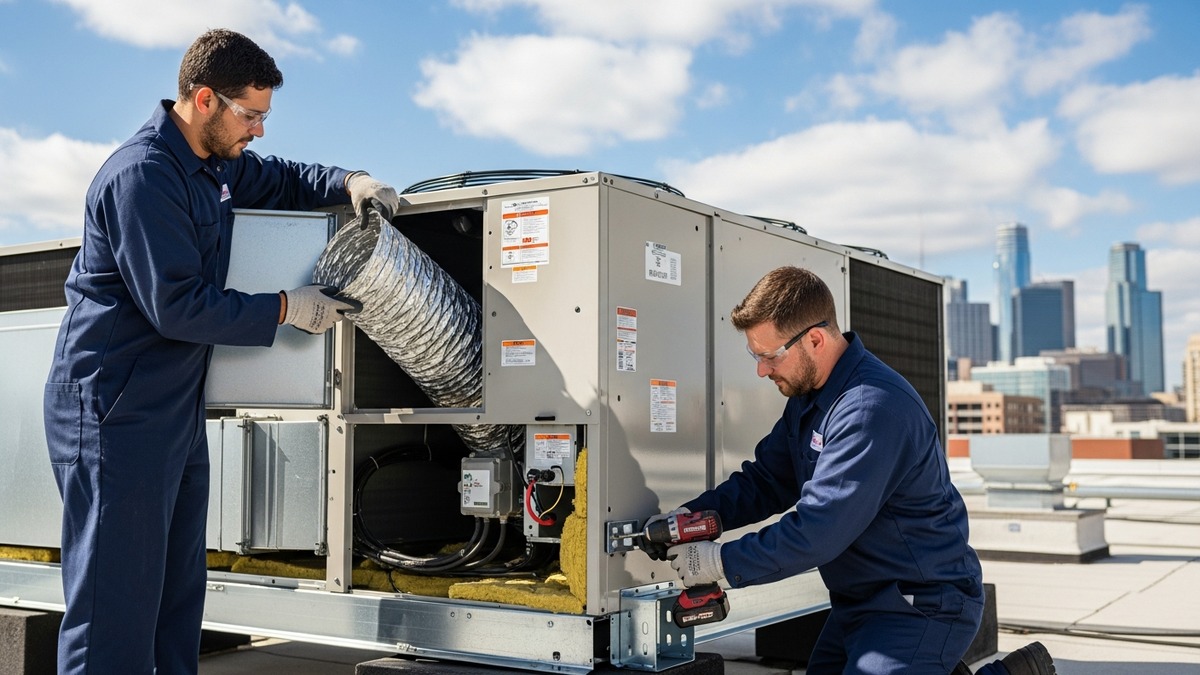
Types of Short-Term Loans Available to HVAC Contractors
Merchant Cash Advances
A merchant cash advance for contractors is a form of revenue-based financing that delivers a lump sum payment upfront in exchange for a fixed percentage of your future revenue. Repayment comes directly from your daily payments — your daily or weekly deposits. Approval focuses on your revenue history rather than your credit score, and funding arrives within 24 hours in most cases.
Factor rates typically run 1.1 to 1.5 times the advance amount. At those rates, the effective APR falls between 60% and 350% depending on how fast you repay. MCAs cost more than bank loans. Weigh that against the speed and the fact that approval does not require perfect credit. For a contractor facing a broken-down service van in the middle of peak season, speed is the asset.
Business Lines of Credit
A business line of credit gives you a pool of funds to draw from as needed. You pay interest only on what you pull out. This works well for HVAC contractors with variable cash needs. Draw $20,000 in June for a fleet repair, pay it back over 60 days, draw $15,000 in October for slow-season operating costs.
Lines of credit through online lenders are often unsecured loans, with limits ranging from $10,000 to $250,000. Approval requirements are lighter than banks but stricter than MCAs. If your business has 12 or more months of operating history and consistent monthly deposits, you are a strong candidate. These are one of the best loan alternatives for HVAC contractors who need ongoing small business funding without reapplying each time.
Equipment Financing for HVAC Businesses
Equipment financing lets you spread the cost of new HVAC units, service vans, or diagnostic tools over 24 to 60 months, with the equipment itself serving as collateral. A commercial rooftop HVAC unit runs $7,000 to $15,000. A fleet of two new service vans adds $60,000 to $90,000 to your balance sheet. Equipment loans let you acquire the assets now and generate revenue with them before the loan is paid off.
Because the lender holds a tangible asset as security, equipment financing generally carries lower rates than MCAs. It is one of the most efficient ways to grow your HVAC operation without draining your operating cash reserves.
How Much Funding Do HVAC Contractors Need?
Real Numbers for 2026
The average residential AC replacement costs $5,990 in 2026. A commercial HVAC installation on a 10,000-square-foot building runs $15,000 to $40,000 or more before markup. If you are taking on commercial HVAC work, or expanding from residential into commercial, you need capital to front materials, labor, and equipment before your client pays the invoice.
An HVAC contractor running $1.5 million in annual revenue might see $120,000 move through the account in a single busy month, then show a $40,000 operating deficit in March or November. That swing is predictable. The contractors who plan for it with a working capital line or short-term loan stay operational through the slow periods and come out ready for the next peak. Those who don’t often lose crew members, miss bids, or defer equipment purchases that cost them jobs.
What Lenders Look At
Alternative lending evaluates HVAC businesses differently than banks. Here is what matters most when you apply for HVAC working capital loans:
- Monthly revenue (typically $10,000 minimum to qualify with most alternative lenders)
- Time in business (6 months minimum for most alternative products, 12 months for lines of credit)
- Business cash flow and bank account health: average daily balance, deposit frequency, number of NSF events
- Financial health of the business: outstanding debt obligations and existing repayment schedules
- Creditworthiness: owner’s personal credit score (reviewed but rarely a hard cutoff below a certain threshold)
Most online lenders require three months of business bank statements and a one-page application. No collateral appraisals. No profit-and-loss statements going back five years. No 90-day waiting period. Apply Monday, get funded Wednesday. The funding approval process takes hours, not weeks.

Short-Term vs. Traditional Financing: What Fits Your HVAC Business?
| Financing Type | Funding Speed | Credit Requirements | Typical Cost | Best For |
|---|---|---|---|---|
| Merchant Cash Advance | 24–48 hours | Low | 1.1–1.5x factor rate | Emergency needs, fast opportunities |
| Business Line of Credit | 1–3 days | Moderate | 18–45% APR | Ongoing cash flow management |
| Equipment Financing | 2–5 days | Moderate | 8–25% APR | Fleet and equipment expansion |
| SBA 7(a) Loan | 6–12 weeks | High | 7.25–9.75% APR | Long-term capital if you qualify |
| Traditional Bank Loan | 4–8 weeks | High | 6–12% APR | Established businesses with strong credit history |
SBA 7(a) loans carry the lowest rates in the market, currently between 7.25% and 9.75%. These require strong credit, demonstrated collateral, and time most working contractors don’t have when an opportunity shows up. Bank loans make sense for long-term capital planning when you have months to prepare. Alternative financing and short-term funding options are the tool for the rest of your business life. The repayment structure and repayment terms are different — but the speed and access are what HVAC contractors actually need.
How to Use Short-Term Capital for Long-Term HVAC Growth
Buy Equipment Before Peak Season
The best time to add a service van or a new compressor rig is before the busy season. Not before it arrives. Wait until July and you’re scrambling for inventory while competitor contractors already have jobs booked six weeks out. Take out an equipment loan in March. Get the vehicle wrapped and stocked. Start summer with more capacity than last year.
The HVAC contractors who grow their fleets strategically, one truck at a time, financed with short-term equipment loans that pay for themselves in one busy season, are the ones running 10-truck operations five years later. The ones who wait until they have enough cash sitting in the bank often stay at two trucks indefinitely.
Keep Your Crew Intact Through Slow Months
Losing a skilled HVAC technician because payroll came up short one month costs far more than the interest on a working capital loan. Experienced technicians are hard to find. Once a good tech walks, you face recruiting costs, onboarding time, and months before that person runs calls at full speed. A business cash advance or short-term loan covering one or two payroll cycles protects the team you spent years building. This is one of the most high-value uses of small business loans — protecting business operations and business growth by keeping your best people.
Bid on Larger Commercial Contracts
Commercial HVAC contracts carry bigger margins. They also require upfront capital for materials, labor, and subcontractors before the first invoice goes out. Contractors with the capital front it and take the commercial work. Those without it pass the job to a better-funded competitor. Short-term contractor business loans are the difference between staying in the residential-only lane and moving into the commercial HVAC tier.
The contractors I respect most treat financing the way they treat tools. A good tool pays for itself. A working capital loan you use to win a $40,000 commercial contract and pay off in 90 days is exactly that. The cost of the money is part of the job cost. Price it in, win the bid, and move on to the next one. That is how small HVAC businesses become mid-size HVAC businesses.
What to Watch Out for With Short-Term HVAC Financing
Not every lender operates the same way. Small business financing and alternative financing are legitimate and effective tools when used correctly. They become a trap when you walk into them without reading the terms. Here are the warning signs to look out for when reviewing funding options:
- No rate disclosure upfront. Any lender who won’t tell you the factor rate or APR before you sign is not a lender you want to work with. Full cost disclosure is a baseline requirement.
- Prepayment penalties. Some agreements eliminate the financial benefit of paying off early. Know before you sign whether early payoff saves you anything.
- ACH debits set too high. If the daily repayment pull is a high percentage of your average daily deposits, a slow week depletes your account. Get this number confirmed before funding.
- Blanket liens on all business assets. For smaller loan amounts, a blanket lien is often excessive. Push back or work with a lender who structures the security reasonably.
- Loan stacking. Taking multiple cash advances simultaneously from different lenders is the fastest path to a cash flow crisis. If one MCA is straining your deposits, adding a second does not solve it. It accelerates the problem.
Work with a broker or funding network that presents multiple lender options side by side. Compare terms. Ask questions. Know exactly what you’re signing.
About Contractor Loaners: HVAC Business Financing Done Right
Contractor Loaners connects HVAC contractors with vetted lenders across the country. We don’t lend money directly. We match your business with the right funding source based on your revenue, timeline, and goals. Our network has helped connect contractors to over $3 billion in funded deals, and we carry 465 Trustpilot reviews from business owners who’ve been through the process.
Whether you need a merchant cash advance to cover a payroll gap, an equipment loan to add a service van, or a business line of credit for ongoing HVAC working capital, we find the right fit. You get multiple offers, clear terms, and no pressure to accept anything that doesn’t work for your operation.
The application takes minutes. Funding arrives in as little as 24 hours. Your business does not stop moving while you wait for a bank to make a decision. Apply for HVAC business financing today and see what your operation qualifies for.
Frequently Asked Questions
How fast do HVAC contractors get funded with a short-term loan?
Merchant cash advances and alternative business loans typically fund within 24 to 72 hours of approval. The application process takes minutes, and lenders review three months of bank statements. Traditional banks take four to eight weeks. If you need capital this week, short-term financing is the only option that works on your timeline.
Do I need good credit to get a short-term loan as an HVAC contractor?
Alternative lenders prioritize your revenue history and bank account health over your credit score. MCAs approve contractors with scores below 600 in many cases. Business lines of credit and equipment financing look for scores in the 580 to 650 range. You don’t need perfect credit to get funded. You need consistent monthly revenue.
What is the minimum revenue needed to qualify for HVAC business financing?
Most alternative lenders require a minimum of $10,000 in average monthly revenue and at least 6 months in business. Some equipment financing programs work with newer businesses if the owner has reasonable personal credit. The stronger your monthly deposits and the longer your operating history, the better the terms you’ll receive.
Is a merchant cash advance a good option for seasonal HVAC cash flow gaps?
An MCA works well for short gaps where you need cash fast and expect incoming revenue within 60 to 90 days. The higher cost makes it less ideal for long funding needs. For ongoing seasonal management, a business line of credit gives you flexible access at lower rates. Use the right tool for the specific gap you’re filling.
What’s the difference between a short-term loan and a merchant cash advance for HVAC?
A short-term loan is repaid in fixed installments over a set schedule, with weekly or monthly payments for 3 to 18 months. A merchant cash advance is repaid as a percentage of your daily or weekly deposits, so repayment flexes with your revenue. Both deliver capital fast. The right choice depends on your cash flow pattern and how predictable your revenue is week to week.

Get Funded: Call 800-664-0173 or Apply Online Today
Your competitors are not waiting for perfect conditions. They are buying equipment, hiring technicians, and bidding on commercial contracts right now. The HVAC market is expanding toward $73.24 billion by 2031. The contractors who capture that growth are the ones who move when the opportunity shows up.
Contractor Loaners connects you with lenders who understand the HVAC trades. No bank bureaucracy. No six-week waiting period. No collateral requirements that don’t make sense for your business. We match your operation with the right funding, and you get multiple offers to compare before you sign anything.
Call 800-664-0173 right now or apply online at contractorloaners.com. The application takes five minutes. Funding arrives in as little as 24 hours. Your next job is not going to wait. Neither should your capital.
Related Guides for HVAC Contractors
This article covers short-term financing broadly. If you want to go deeper on a specific product, these guides cover each option in full detail:
- HVAC Equipment Financing — How to finance service vans, commercial HVAC units, and diagnostic tools without draining working capital. Covers loan vs. lease, Section 179 deductions, and approval requirements.
- Merchant Cash Advance for HVAC Contractors — How MCAs work, factor rates explained, when to use one (and when not to), and how to apply. The fastest funding option when you need capital in 24 hours.